

Why the most important wearable at Apple's launch event wasn't a smartwatch
The AirPods Pro 3 represent a monumental upgrade. It’s a reminder that Apple's most transformative wearable might be the one we take for granted.

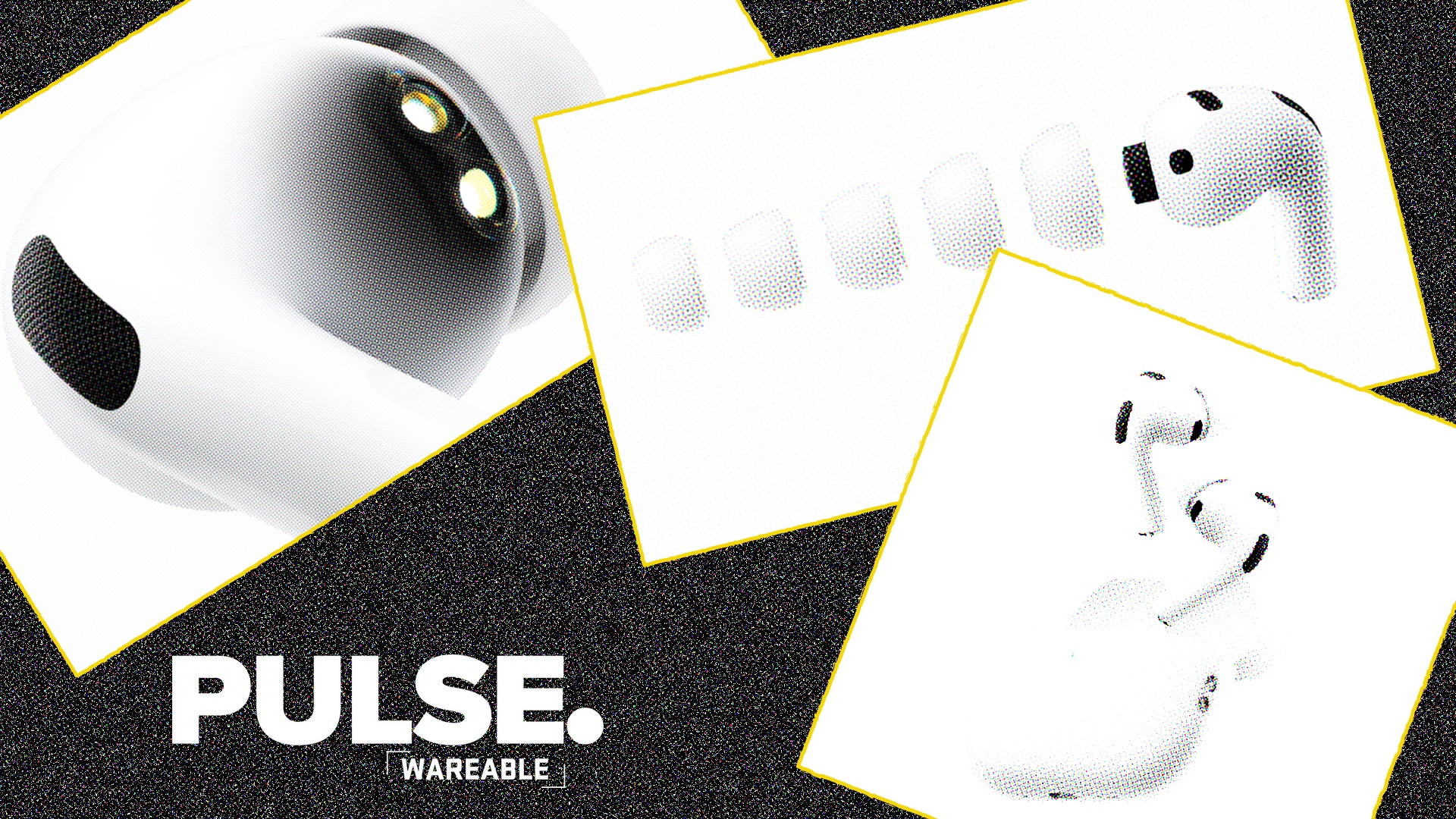
Apple’s annual September showcase has wrapped, and, after a couple of days of letting the dust settle, the new hardware is coming into focus.
Let’s be clear: the new Apple Watch lineup looks excellent. These are not timid updates. The Ultra 3 finally got a considered satellite messaging/SOS feature that’s far more accessible than Garmin’s recently announced alternative.
The SE 3 also got a much-needed refresh, cementing its place as the default best smartwatch for newcomers and kids. And the Series 11, while iterative, quietly conceals what may prove to be the most significant upgrade in years: an updated battery life estimate that may alleviate the biggest drawback of previous flagship models.
The new hypertension monitoring, which appears to be on track for regulatory approval later this month, also showed Apple’s commitment to evolving its smartwatch into an indispensable personal health guardian.
Hypertension/blood pressure tracking is an area we’ll undoubtedly explore in depth on PULSE over the coming months. In the meantime, I suggest reading Empirical Health CEO Brandon Ballinger’s blog post for a dive into the science.
In 2018, Brandon helped lead one of the first studies to demonstrate how signs of high blood pressure can be detected from the Apple Watch with the aid of a deep neural network.
Yet, as I watched the keynote, I couldn't shake the feeling that the most significant story—the device that signaled the bigger shift—was the one we often overlook.
While the watches got better, the AirPods grew up this week.
The most essential wearable
It’s easy to forget just how transformative the AirPods have been.
I remember the laughs and scepticism at the original design released in late 2016. They didn’t last long. Very quickly, AirPods became the definitive accessory for commutes, phone calls, and workouts worldwide. Without question, they changed everything.
And the AirPods Pro were the first major step up. Pound for pound, they represent the best new gadgets released in the last 10-15 years.
The second-gen AirPods Pro are a device I use every single day—for work calls, for outdoor runs, on flights and trains, swapping seamlessly between devices. It’s the unsung hero of my vast lineup of daily devices, the one I’d be most lost without after my phone. I don’t think it’s a stretch to suggest that’s also the case for millions of other users.
This is why the AirPods Pro 3 update feels so profound. It’s not just an improvement; it’s an evolution of what’s arguably Apple’s most essential wearable.
The ‘hearable' gets its groove back
I remember a time when this space felt electric. I was literally going on dates with language translation earbuds (for a Wareable feature, I should clarify) and running around London with wired Jabras delivering my last-lap HR and cadence.
Hearables were a genuinely exciting frontier. However, Apple’s AirPods dominated, and the industry’s focus naturally shifted to refining the basics: sound quality and active noise cancellation. It was a necessary period of maturation, but it made the space incredibly dry from an innovation perspective.
Now that slick ANC and solid battery life are table stakes, the ambition is back.
The AirPods Pro 3 are packed with foundational upgrades—double the ANC, a new acoustic architecture, a more secure fit—but two features in particular represent a monumental return to the category’s innovative roots.
Heart rate from the ear: The stealth strategy
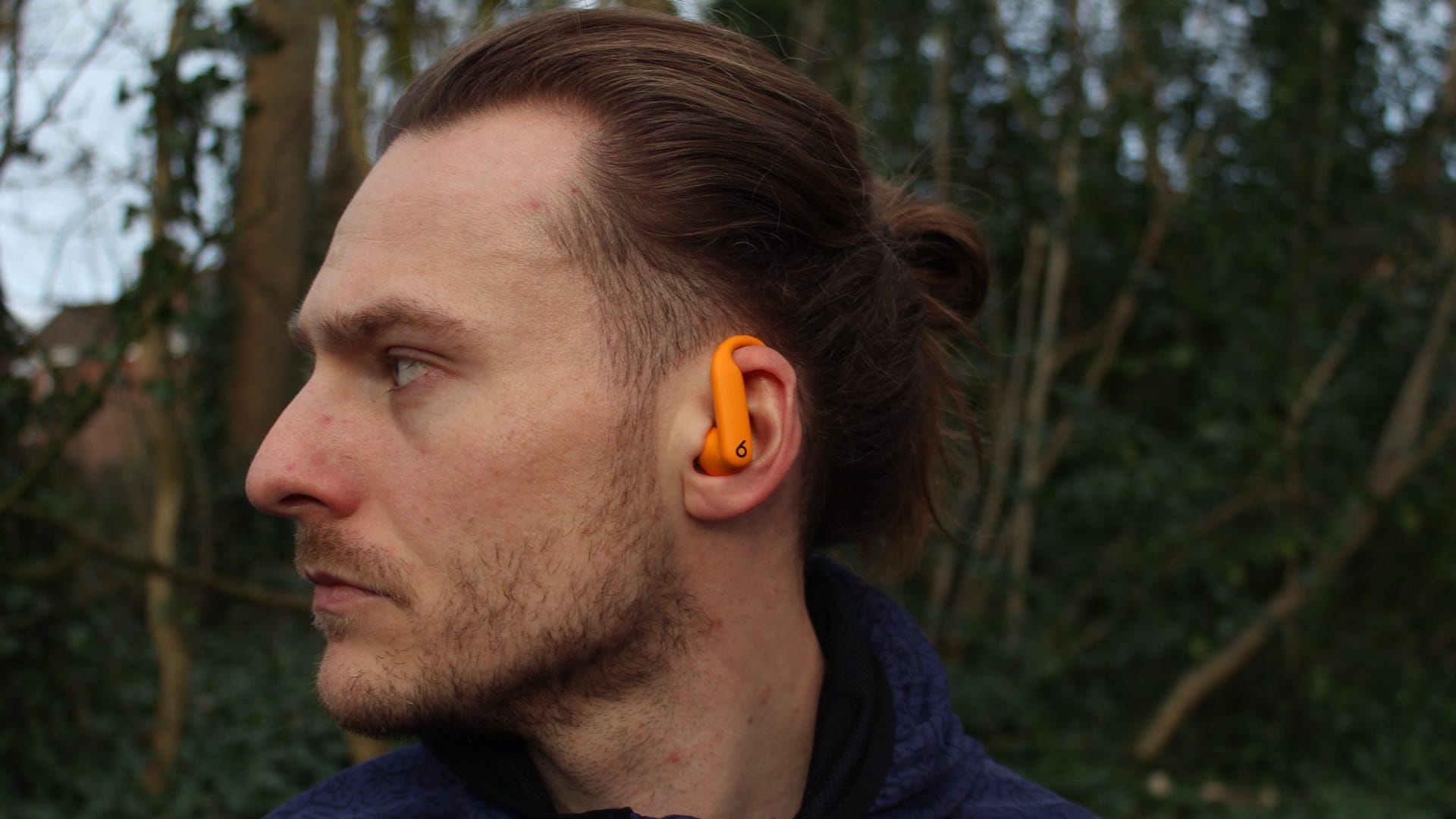
For me, the most interesting addition is heart rate tracking. We saw a trial run of this in the Beats Powerbeats Pro 2 earlier this year.
I loved that device for its secure fit—perfect for my tiny ears shown below—but I was ultimately underwhelmed by the heart rate integration, which felt clunky and disconnected.
I had this vision of Apple killing off competitors by stealth; not by opening up the Apple Watch to Android, but by putting its gold-standard heart rate sensing in everyone’s ears.
It didn’t quite work out that way. However, with AirPods Pro 3, it has a better chance to take hold. Why? Well, the key difference is the native integration with the Fitness app on iPhone, with no Apple Watch required.
It again reminds us that the iPhone is the central hub of Apple’s health ecosystem, with AirPods now acting as an additional, highly accurate sensor. It's a move that extends Apple’s health dominance beyond the wrist, creating an even stickier ecosystem for those without its smartwatch.
How data is prioritized when wearing both a Watch and AirPods remains to be seen, but, at least at first glance, it’s a strategically brilliant evolution of the AirPods.
The universal translator (and its reality check)
Just as significant is the introduction of live, in-person language translation. This feels like a full-circle moment. The idea isn't new, but only Apple, with its sheer scale and seamless hardware integration, has the power to make it a mainstream reality. It’s not an exaggeration to imagine this feature fundamentally changing how we interact when abroad.
