

Smartwatches aren't confused about stress—but headlines and studies are
Opinion: The debate over bodily response tracking reveals more about us than our devices

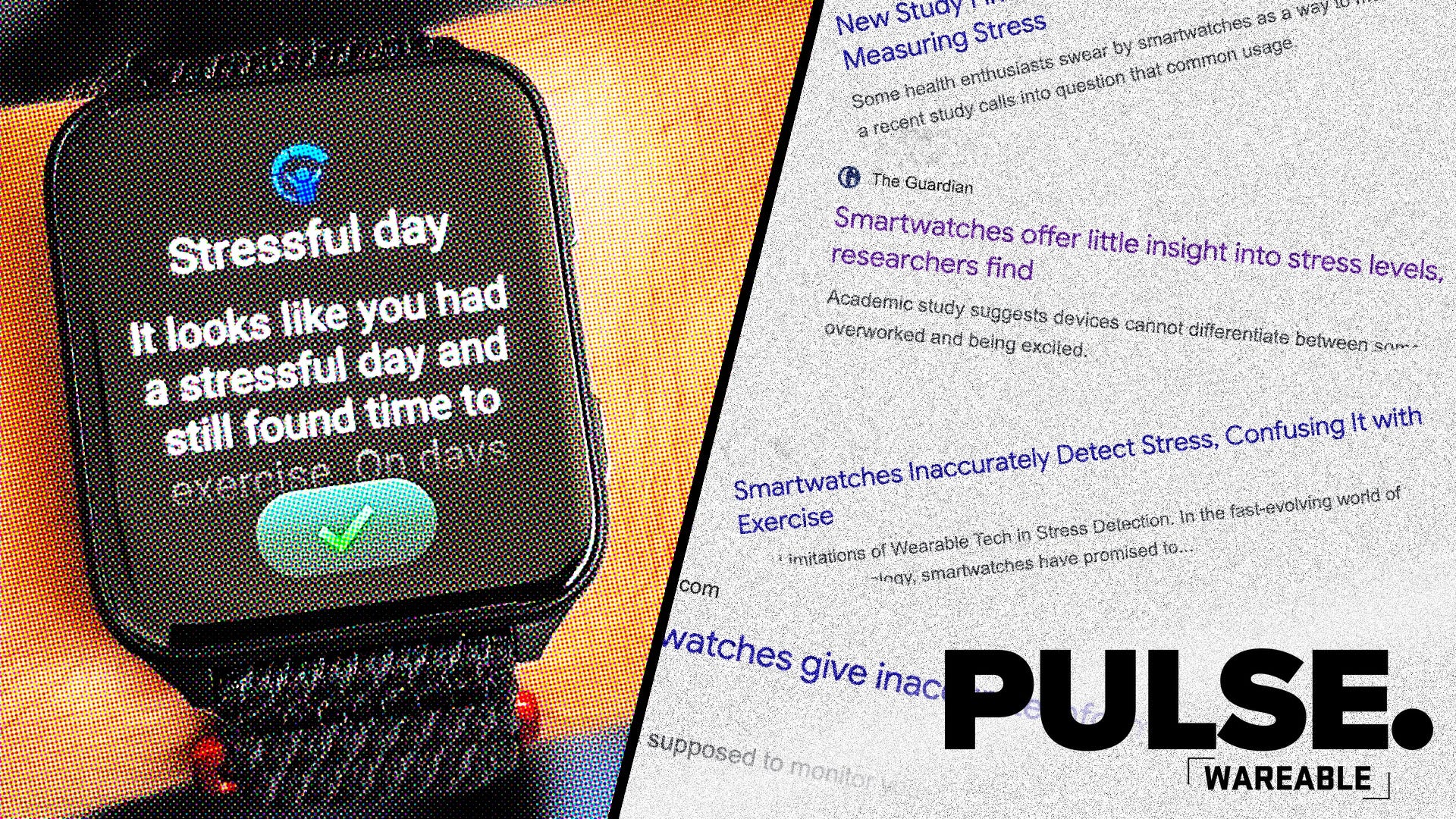
You might have seen the headlines doing the rounds over the weekend; perhaps seen an AI summary post on LinkedIn from an engagement farmer.
"Smartwatches cannot accurately measure your stress levels," declared The Guardian, summarising a new study published in a major journal.
The research, which found "basically zero" correlation between a device's stress score and a user's self-reported feelings, generated further articles claiming that watches "confuse stress with exercise" and are "getting your stress levels wrong".
On the surface, it all sounds like a damning indictment of a key feature in modern wearables.
An all-too-familiar tale
In reality, it's the latest in a long and frustrating line of academic studies that follow a predictable formula: conduct a study using data from one brand's outdated piece of hardware, test a narrow set of metrics, and generate buzz that condemns the entire industry.
In this case, a research team tracked stress, fatigue, and sleep for three months on 800 young adults wearing Garmin watches. The participants were asked to check in four times a day on how stressed, fatigued, or sleepy they were feeling, with this data then cross-referenced with data from the tracker.
To assess the usefulness of wearable data by using the Garmin Vivosmart 4 (a fitness tracker that was released in 2018) as the benchmark is indeed... a choice.
At best, it's an absurd one—but at least borne, I would guess, from the honest need to keep the study's costs manageable. Not the first to do it, as I say, and certainly not the last.
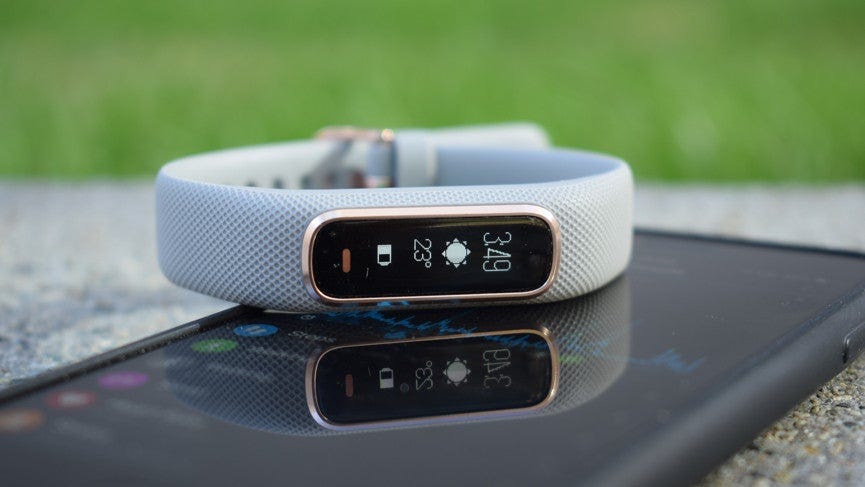
Whatever the reason, it creates a fundamental flaw in the research. This is not representative tech. It's like testing a 2018 Kia and drawing conclusions about the uselessness of electric vehicles in 2025 and beyond.
The study’s methods are one problem—a glaring one—but it’s the conclusions and headlines that are at the core of the problem here.
Naturally, after the national newspaper reported on the study, several more outlets and social media bots jumped aboard. One, again, with the misinterpretation that smartwatches "confuse stress with exercise".
This one is particularly galling because it reveals the underlying misunderstanding of biology at play here.
Exercise is a form of acute physiological stress; that is precisely how training adaptation works. It's the process of stressing your cardiovascular and musculoskeletal systems that forces them to adapt and get stronger.
A device that correctly identifies a workout as a high-stress event is not confused; it is working perfectly. The confusion lies not in the device, but in the interpretation.
"Am I so out of touch?"
This brings us to the heart of the study's findings. The results found that no participants saw the stress scores on their tracker meet the baseline for significant change when they recorded feeling stressed.
For a quarter of participants, the device told them they were stressed or unstressed when they self-reported feeling the opposite.
But even if you ignore that these findings were gleaned from one algorithm on a seven-year-old Garmin tracker, surely the fact that there was "zero correlation" between the watch's data and a user's feelings may actually prove the opposite of the conclusions being drawn.
Far from showing that tracking bodily responses on smartwatches is a fruitless exercise— instead, it's much more likely to be a perfect example of how we, as people, are often terrible judges of our physiological state.
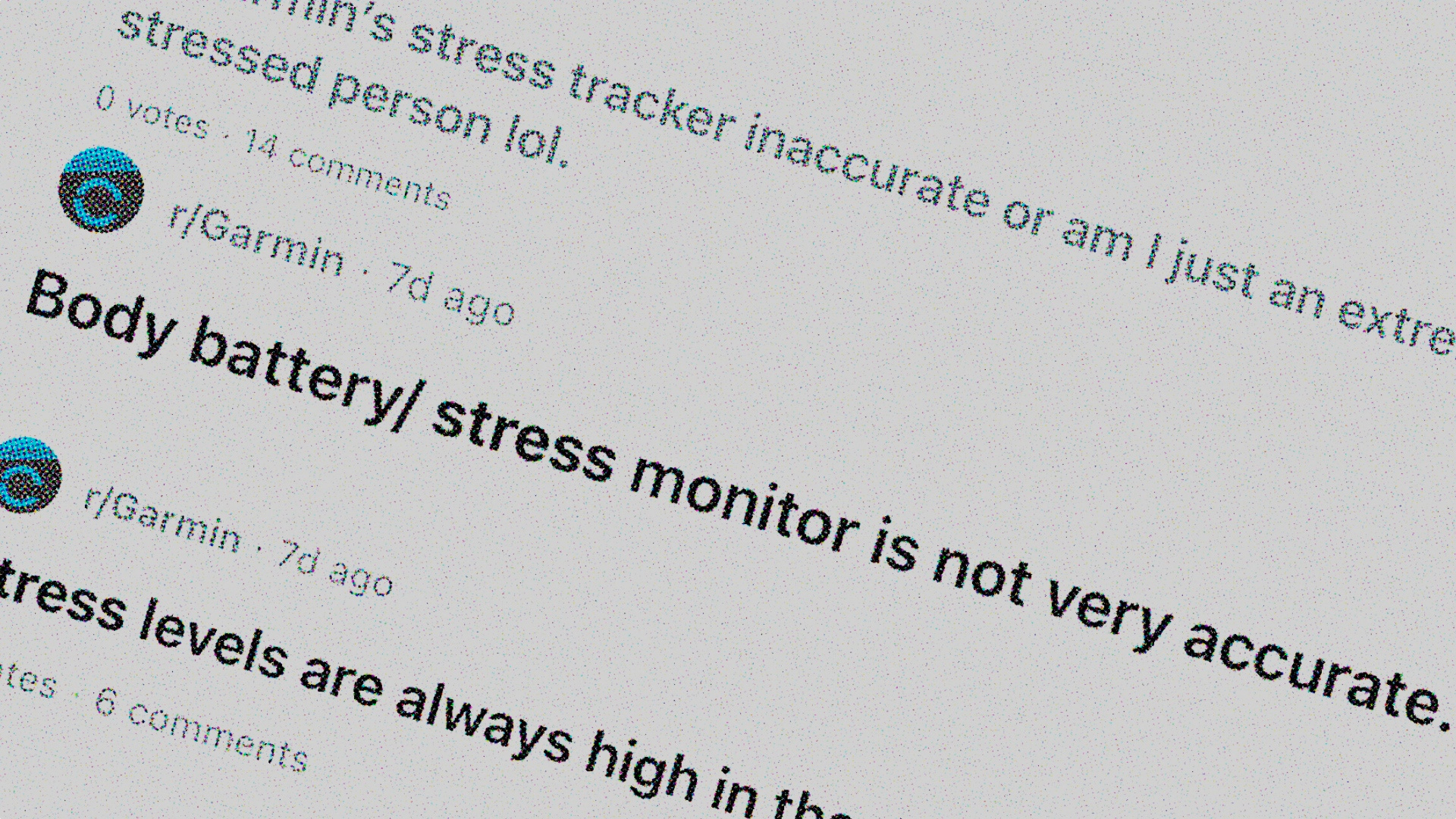
You only need to spend five minutes looking at subreddits littered with users assuming their device is broken because it's showing a high stress reading to see that our first instinct is often to blame the tech rather than look inward.
If a device, even a seven-year-old basic one, is flagging a real biological event, perhaps it's our interpretation that's lagging.
Make the change yourself
As someone who has lived with multiple devices strapped to my body every day for close to a decade, using the data as a jumping-off point is when the actual value emerges. But you have to do the work.
Once I began to observe my passively tracked stress data, I was able to gain valuable insights into my life—and understand which brands present this data better than others.
And for the avoidance of doubt, some do present data poorly. Garmin, ironically, is one of them. It's a topic I've discussed at length in Wareable's definitive guide to the best stress trackers and with Garmin itself on PULSE.
But in engaging with all the data, I learned to permit myself to rest after intense social situations, work travel, and double-session workout days. I was able to push back against a lifetime of societal pressure that teaches us, in short, that stress isn't convenient. Worse, perhaps, that stress is best ignored.
