

Pulse Points: World Cup fever, watchOS 27 analysis, and 13 more updates
Catch up on the world of wearable tech's key stories

Welcome to this week’s edition of Pulse Points, where I round up the biggest news headlines from the last seven days in wearable tech, fitness, and health.
It’s been an absolute blockbuster one for the industry. Aside from Apple’s bold updates at WWDC 2026 and the world’s biggest sporting event inspiring countless new watch faces, there’s been an extra helping of breakthroughs in clinical-grade sensing, new platform integrations, and intriguing social metrics.
In this edition, I’ll get you up to speed on everything in 15 quick updates. And make sure to scroll all the way to the end for this week’s ‘Big Story’ analysis, where I explain why Apple’s watchOS 27 compatibility cull is a painful but necessary price of admission for the AI era.
Let’s have it.
Consumer Launches & Updates 🛍️
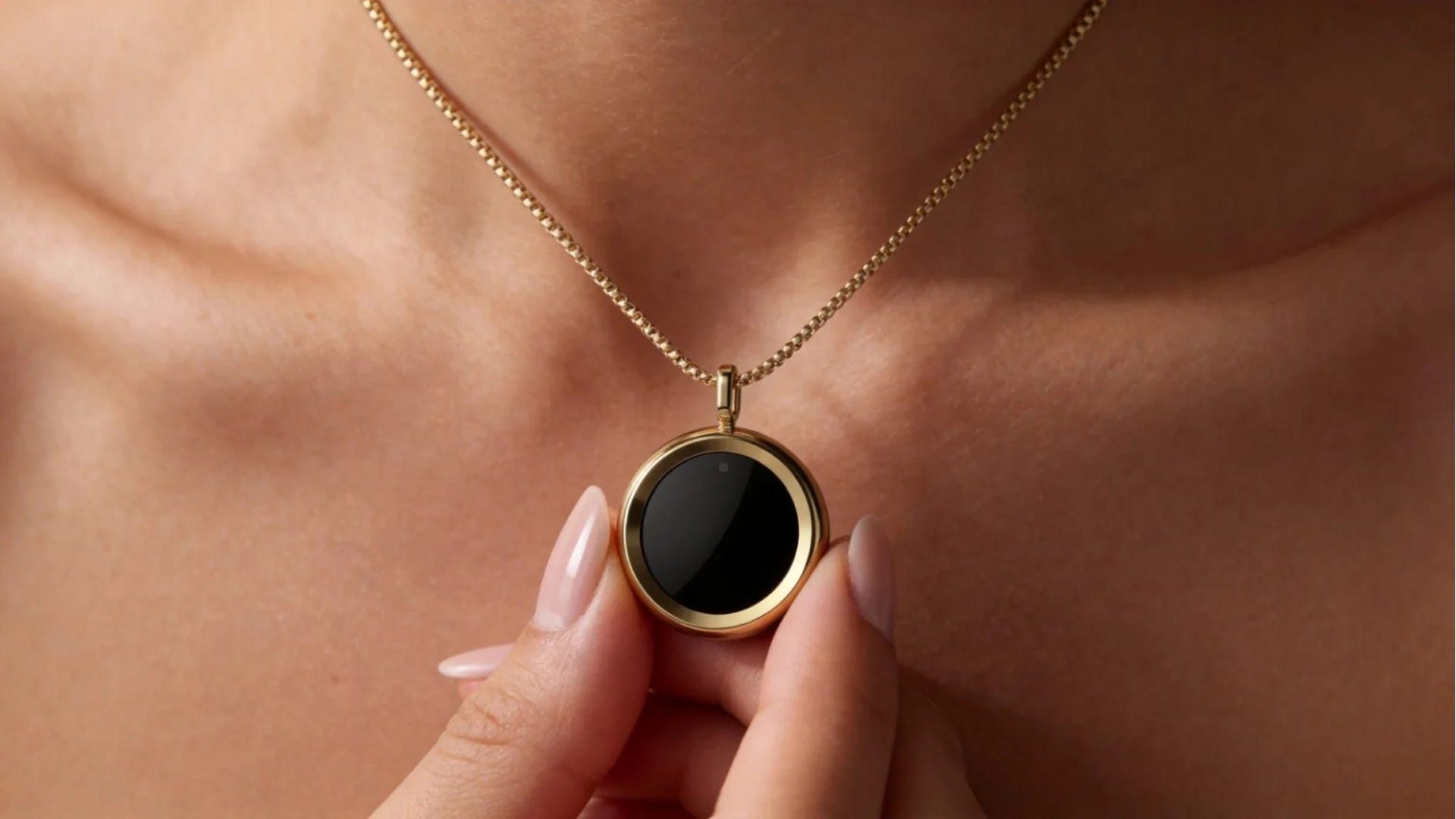
The90 launches the Gem smart pendant UV-tracking wearable
Skin-health brand The90 has launched ‘The Gem’, a modular smart pendant that tracks real-time UVA and UVB exposure. Backed by Lauryn Bosstick and led by former Fitbit exec Stacy Salvi, the device translates actual UV exposure and SPF behavior into personalized sunscreen reapplication reminders to help fight premature aging. Read more >
Therabody drops the Cryotherm Palm recovery device
Therabody expanded its recovery lineup with the Cryotherm Palm, a handheld device blending rapid temperature therapy with vibration. Able to shift from ice-cold to heat in under 15 seconds, it offers a portable, highly targeted alternative to ice baths and heating pads to treat localized muscle pain. It’s also $400—eek! Read more >
Withings Body Scan 2 smart scale goes global
After being teased at CES earlier this year, Withings has begun global sales for its clinical-grade Body Scan 2 smart scale. Using segmented composition tech, it tracks muscle and fat in each limb individually, alongside six-lead ECG recording and nerve activity. It positions itself as the ultimate home diagnostic center for cardiovascular and metabolic risks. Read more >
Platform Updates & New Integrations 🛍️
Apple watchOS 27 puts Siri Intelligence on the wrist
Apple unveiled watchOS 27, putting local, on-device Siri Intelligence at the center of the wrist. Alongside AI contextual help, the update delivers new menopause and perimenopause alerts and an improved Smart Stack experience. Crucially, Workout Buddy can now finally run offline without an iPhone nearby, too. Read more >
Samsung updates Galaxy Watch Health with Cardio Load & Vitals
Ahead of its summer Unpacked, Samsung announced a major update to its Health platform. The refresh introduces three main metrics: a personalized “Energy Score,” a “Fitness Index,” and “Cardio Load” to track cardiovascular strain over time. This helps the platform continue to evolve from passive logging to actionable guidance. Read more >
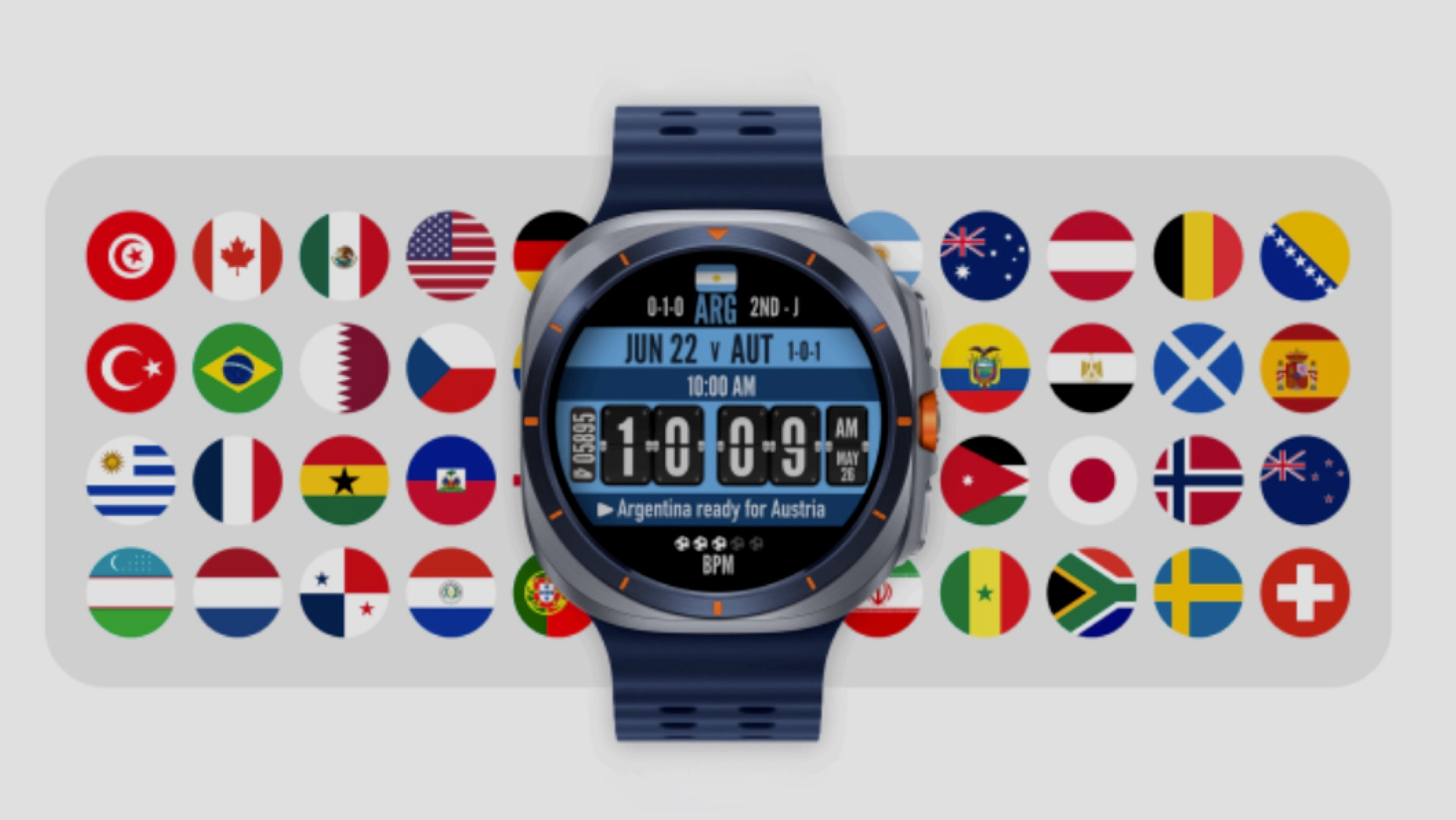
Facer and Citizen launch ‘Kick It’ watch face for the World Cup
Timed for the World Cup, Facer and Citizen’s Riiiver team launched “Kick It” for Wear OS. The interactive watch face displays real-time live scores, match times, group standings, and opponent records for your chosen country. It even plays an “Ole, Ole” stadium chant at the top of each hour. Funny. Read more >
Strava overhauls outdoor experience with new hiking suite
After hiking clubs surged 5.8x, Strava has rolled out an advanced outdoor hiking suite. Key upgrades include richer trail-surface maps, off-route haptic alerts, and offline navigation directly on Apple Watch and Garmin. Read more >
AllTrails and Coros partner for hands-free trail navigation
Coros and AllTrails have launched a native integration for hands-free trail navigation. Users can now send saved routes directly to Coros watches for offline tracking. Completed routes automatically sync back to AllTrails, allowing users to easily post trail photos and first-hand reviews directly from the watch. Read more >
MyFitnessPal launches personal AI Nutrition Coach
MyFitnessPal has debuted an in-app AI Coach designed to eliminate the guesswork in diet tracking. Instead of generic advice, the tool reviews the user’s food logs, remaining calories, and macro goals to suggest immediate meal pairings, protein swaps, or restaurant options. It leverages 20 years of the platform’s data to provide real-time feedback. Read more >
Telegram returns to Wear OS
Telegram has returned to the wrist with a fully redesigned Wear OS app. Users can now browse chat threads, listen to voice messages, and send quick sticker replies directly from the smartwatch. It is a vital third-party win for Google as it fights to expand its smartwatch app ecosystem. Read more >
Pebble Round 2 shifts production to July
Pebble Round 2 is now in beta testing, but mass production is on hold. Founder Eric Migicovsky revealed pre-production samples had a cosmetic alignment issue near the lugs. To fix this, Pebble is tweaking its injection-molding tooling. Pre-orders will now start shipping in July and finish in September. Read more >
watchOS 27 is missing Walkie-Talkie
Early watchOS 27 previews reveal that Apple has removed Walkie-Talkie from the Apple Watch, with the app vanishing from both the list and Control Center. With the update not yet finalized, it remains possible it could be reintroduced before the public release later this year. However, it’s expected this is a retirement rather than an omission. Read more >
INVI MindHealth secures $4M from HHS to track psychedelic therapy
Wilson’s INVI MindHealth secured a $4 million HHS grant to study how psychedelic therapies help veterans with PTSD in Mexico. Using Oura Rings to track sleep and HRV alongside self-reported moods, the app creates a ‘MindScore’ and uses a SEAL-inspired ‘Swim Buddy’ feature to alert peers to high-stress anomalies. Read more >
Reports & Rumors 🕵️♂️
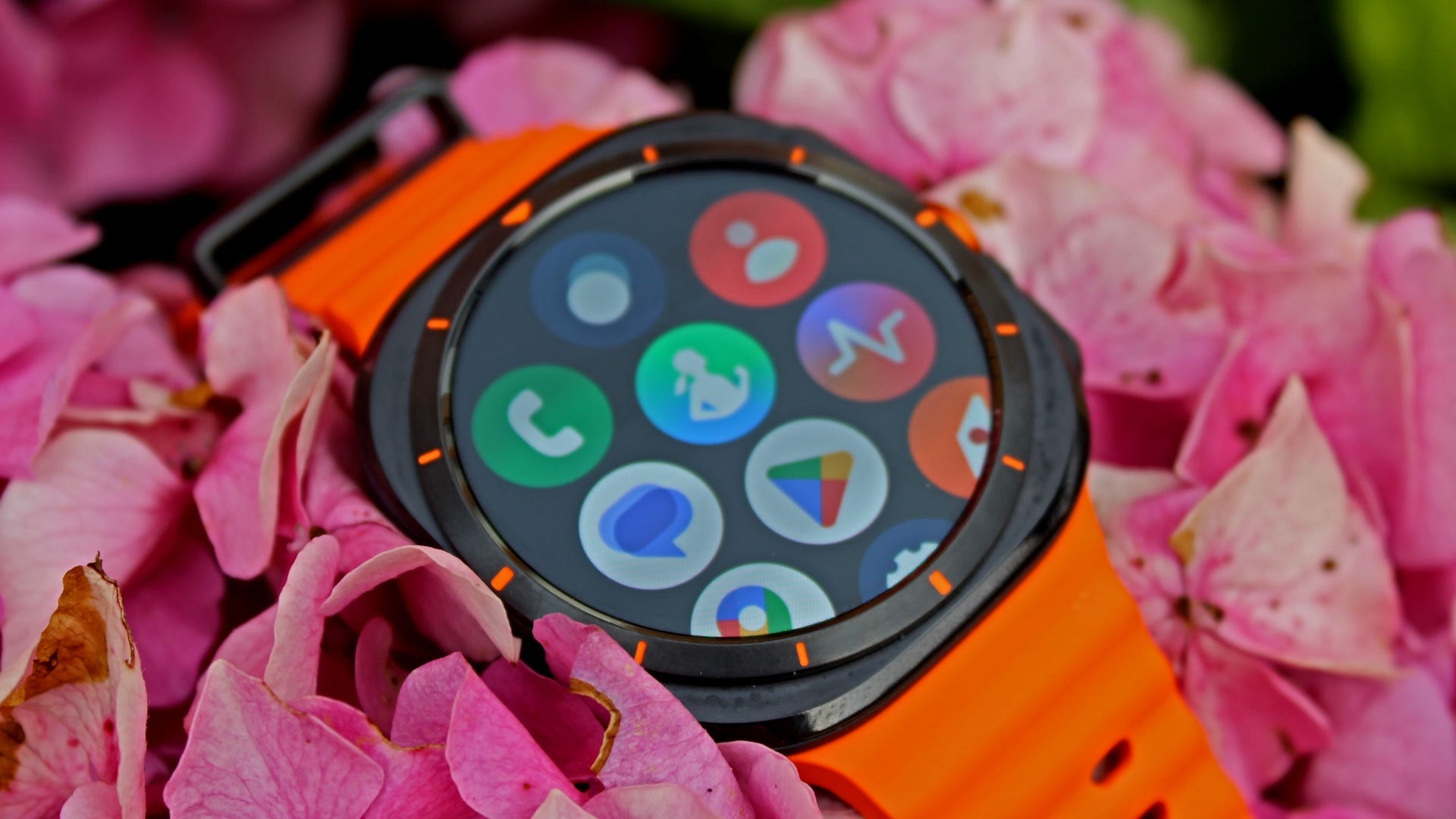
Samsung Galaxy Watch Ultra 2 battery specs leak
Korean regulatory filings indicate the Samsung Galaxy Watch Ultra 2 will sport a massive battery—roughly twice the size of a normal Wear OS watch. The original Galaxy Watch Ultra already has a huge 590 mAh battery, but it’s suggested the second-gen model will feature a battery with a rated capacity of 784 mAh. Read more >
Did Meta silently wipe face-scanning references from its smart glasses?
Privacy advocates are raising alarms after an inactive “NameTag” face-identification code was discovered in Meta’s consumer app, only to vanish in a subsequent silent update. While Meta claims the dormant face-ID matching system was part of an unreleased pilot, its presence in a public consumer app has reignited intense debates over consent. Read more >
The Week’s Big Story 🗞️
Analysis: Why the watchOS 27 compatibility cull is exactly what the smartwatch needed
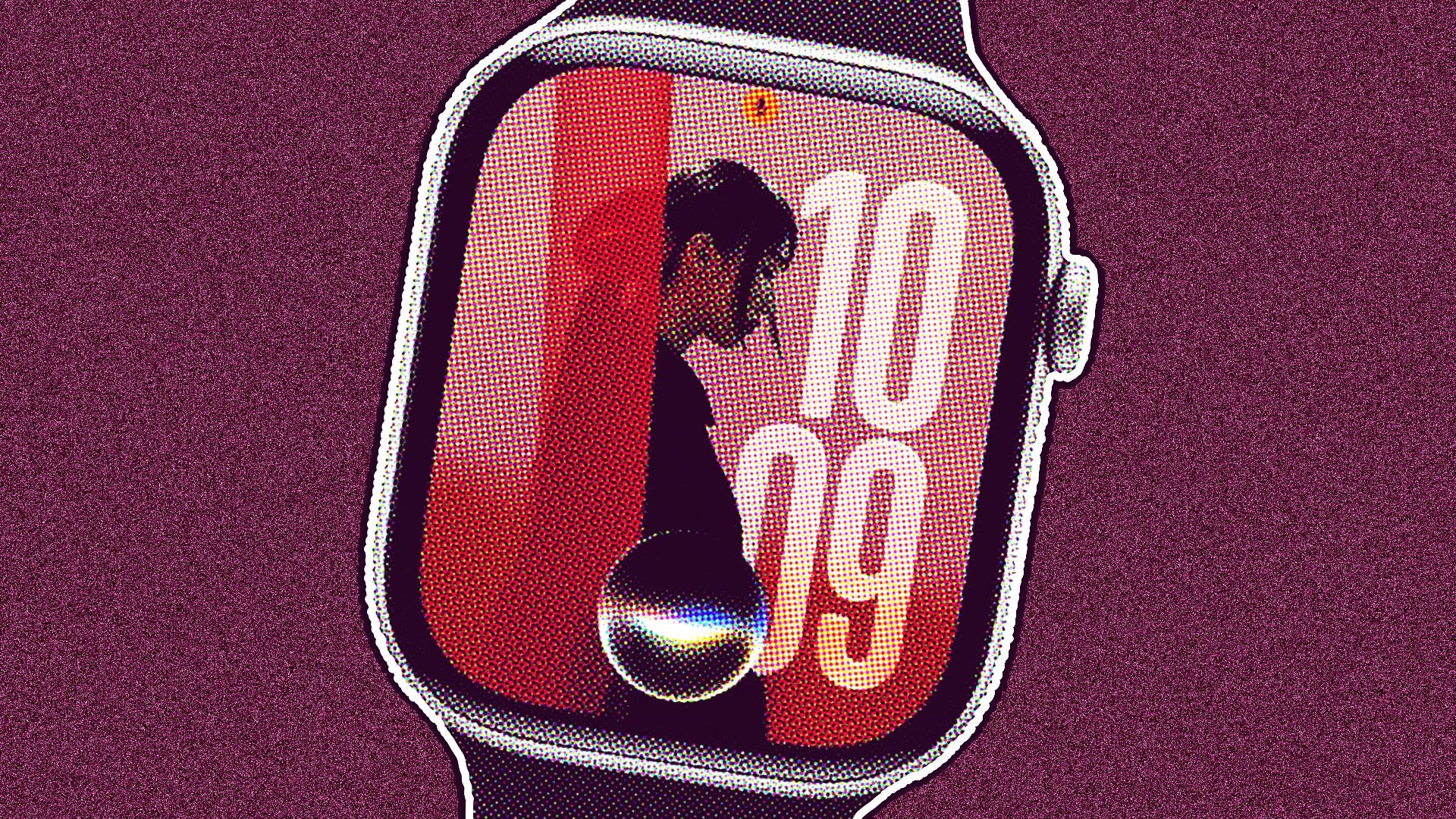
The immediate fallout from the watchOS 27 compatibility list went exactly as you would expect. As the dust settled on the WWDC 2026 keynote, headlines began filtering through about Apple’s “own goal” regarding which Apple Watch models will actually be able to run the software update later this year—not helped, mind, by its actual own goal of initially incorrectly omitting Series 9 from the compatibility list.
By restricting the new Siri and Apple Intelligence features to the 2023 editions and newer, a chunk of otherwise very functional hardware—including the Apple Watch Series 8 and the original Ultra (both released in 2022)—has been left on the wrong side of the software fence. But before we lean too far into the outrage, it’s worth stepping back and looking at the bigger picture. Drawing a firm line in the sand isn’t always a case of cynical planned obsolescence. Often, it’s an engineering reality… even if that doesn’t mean Apple gets a free pass on this, either.
As tech observers, we fall into a bit of a trap with annual hardware upgrades. The collective complaint each September is generally that smartwatches have become boring, iterative, and stagnant. Yet, the moment a company introduces an overhaul that changes the very architecture of a device’s operation, the narrative shifts to frustration over compatibility. Simply, you can’t have it both ways. If we want genuinely smart features on our wrists rather than the same old tweaks, we have to accept that older processors eventually run out of rope.
Besides, Apple has historically been incredibly generous with its hardware lifecycles. The Apple Watch Series 3 was supported for five years, kept on life support until watchOS 9. Though a Series 8 owner misses out on watchOS 27 support this fall, they will have still enjoyed four solid years of frontline software support. For some crucial context here, Wear OS only guarantees three years of support, and Samsung only matches the Series 8’s four years. Apple isn’t pulling a fast one here; it’s simply refusing to let legacy devices and silicon dictate the entire platform.
This more aggressive shift is also very likely a direct result of what’s happening elsewhere in the industry. The wearable tech market has changed dramatically over the last 18 months, supercharged by the influx of AI-first pins, rings, and smart glasses. Google’s Gemini on watches like the Galaxy Watch 8 and the recent launch of the screenless Fitbit Air, powered by Google Health Coach, has cast a shadow. Conversational AI is no longer a niche feature; it’s a standard requirement. Apple was glaringly behind, and watchOS 27 is a necessary attempt to draw level. To run a version of Siri that understands personal context, routes data securely, and handles a dynamic user interface, you need a modern chip. Attempting to force that experience onto older devices would likely just result in a laggy, frustrating experience that kills your battery.
A necessary line in the sand, but where’s the payoff?
None of this means Apple gets a free pass for what they showed on stage, though. While drawing this hardware boundary makes perfect technical sense, the actual software lineup we received at WWDC 2026 remains too lean. For all the talk of a smarter wrist companion, the presentation was almost entirely devoid of major new software in health and fitness. And if I’m one of the users with an Apple Watch that can’t access watchOS 27, I would want more compelling software to make the upgrade worth it.
Bloomberg’s report that Apple’s “Project Mulberry” AI coach had been delayed was basically confirmed by its absence. Instead, the big fitness highlight was that Workout Buddy can finally run offline without an iPhone nearby—a great fix, sure, but a feature it probably should have had from the start. Meanwhile, platforms like Whoop and Oura are pulling far ahead of everyone else in terms of actionable insights and AI guidance. Their companion apps already use intelligence to correlate sleep debt, stress logs, and training loads to deliver deeply personalized daily advice. Google’s Health Coach, as well, can rewrite a runner’s entire training plan on the fly if they log that they’re feeling under the weather. By comparison, Apple’s flagship examples of Siri’s new health prowess involved the assistant explaining stretching routines on a smartwatch screen.
Clearing out the legacy hardware clutter was the right call, giving the Apple Watch platform room to grow. But now that Apple has drawn its line, it actually has to deliver the goods. Until Siri can match the deep, proactive, and predictive coaching metrics of its rivals, Apple Watch users are making a pretty steep hardware trade-off for an assistant that is still very much in training.