

📩 Pulse Points: Meta's glasses leap forward, new Garmin running watches & 12 more updates
Catch up on all the biggest headlines in digital health and wearables from the last week


Welcome to Pulse Points, the place where I round up the key wearable tech, fitness, and health industry news from the week.
In case you missed our own bit of exciting news, PULSE (and Wareable) has recently joined the Mediatech family 🥳
The format for this newsletter will remain much the same, though—and there’s plenty to catch up on in this edition: new research, platform updates, and consumer launches.
Plus, make sure to keep scrolling for this week’s analysis section, where I explain why Meta’s head start in alternate realities is looking more and more like it could be permanent.
Industry Updates & Research 📊

Gatorade’s “Body of Science” commitment: Only 6% of global sports science research focuses exclusively on women. Gatorade is moving to fix this with a multi-year commitment to study hydration and nutrition across the menstrual cycle, pregnancy, and perimenopause. Read more >
The U-shaped sleep curve: A study has proposed a “Sleep Chart” for biological aging. Analyzing 23 aging clocks, the research found that the lowest biological “age gap” occurs between 6.4 and 7.8 hours of sleep. Anything significantly more or less is linked to accelerated organ aging.
Reframing the sweat pipeline: A new review argues that the future of sweat-sensing isn’t about sensor chemistry, but the engineering pipeline. Researchers suggest that, because sweat flux is low outside of exercise, the primary constraint is the induction and replenishment of sweat at the skin interface via microfluidics. Read more >
The influencer economy: A new survey highlights that half of adults under 50 now use influencers and podcasts as their primary wellness resource. For brands, this confirms that the algorithm—not the clinic—is now the primary gatekeeper for health tech adoption. Read more >
Consumer Launches & Platform Updates 🛍️
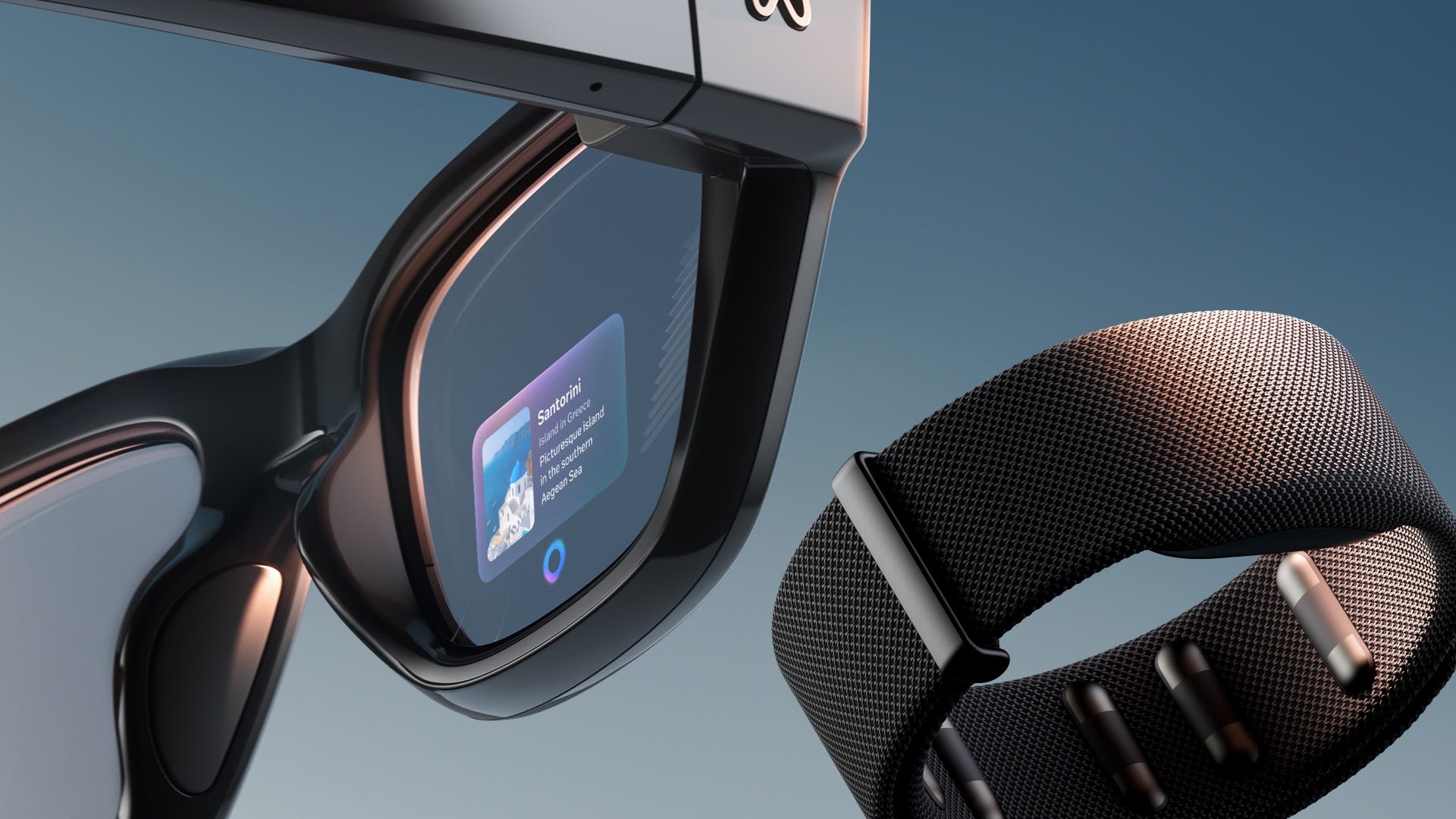
Meta opens the Ray-Ban floodgates: Meta is finally opening its Ray-Ban Display glasses to third-party developers. This moves the device from a closed Meta-app ecosystem into a legitimate platform, enabling ‘micro-apps’ and information overlays that leverage the 20-degree field-of-view display and the Neural Band controller. Read more >
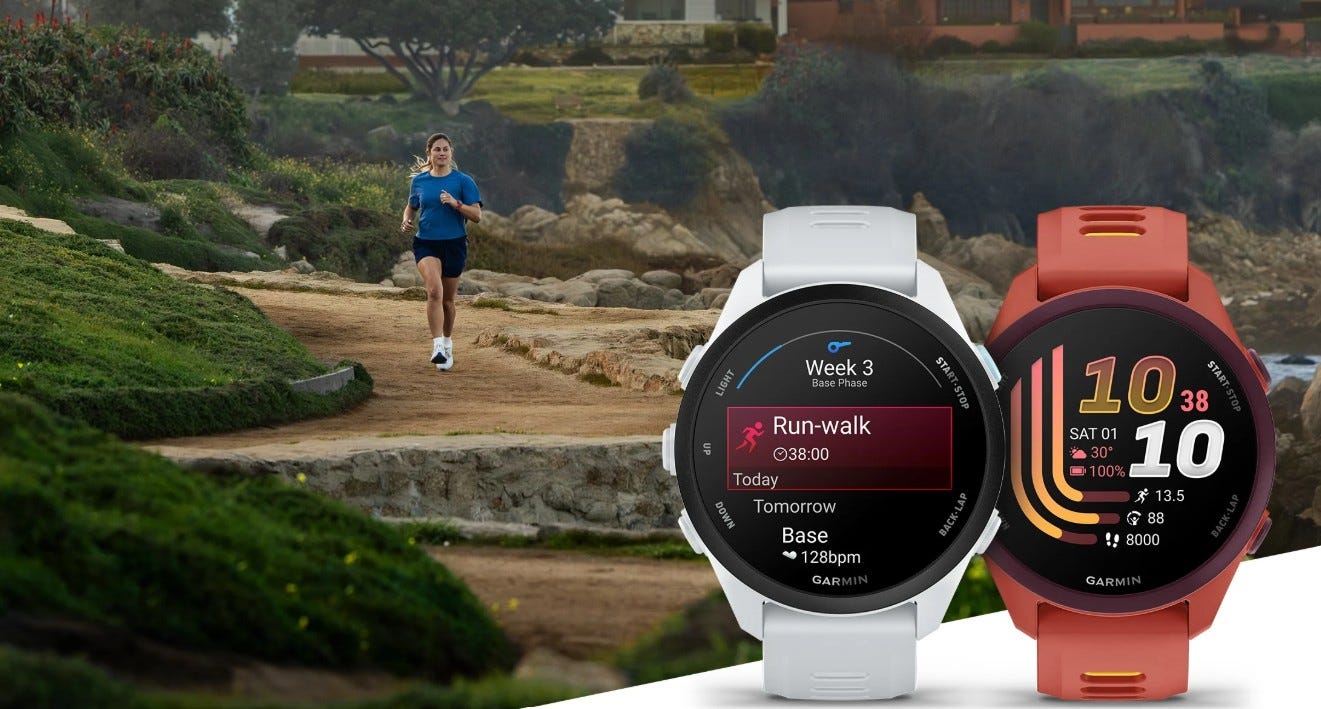
Garmin Forerunner 70 and 170 arrive: Garmin has pushed its premium AMOLED tech down to a $249 entry point. Replacing the FR55, the Forerunner 70 features many of the training tools previously reserved for mid-tier devices, while the 170 (which includes a ‘Music’ edition) replaces the popular 165 released in 2024. Read more >
Headspace for Apple Watch: The app has updated to use HRV (Heart Rate Variability) data to trigger ‘mindful pauses’. The app analyzes stress markers and sends a haptic nudge when it detects that a user may be receptive to a 60-second breathing exercise, signaling a move toward proactive mental health support.
The Google Health rebrand is here: Fitbit for Android has officially begun the transition to the Google Health app. The update features a total UI redesign, introducing a more modular, grid-based ‘Focus’ view and signaling the final step in Google’s long-term absorption of Fitbit into its core AI ecosystem. Read more >
The EU unlocks third-party wearables on iOS: To comply with the Digital Markets Act, Apple is opening up previously exclusive iOS features to third-party wearables in the EU. Garmin, Amazfit, and Huawei users in Europe, providing they have iOS 26.5 downloaded, can now respond to message notifications and view ‘Live Activities’ directly on their devices. Read more >
Pre-orders open for the Rog Xreal R1: The display glasses feature a world-first 240Hz micro-OLED panel and a massive 171-inch virtual display. Deeply integrated with the ROG Ally ecosystem, it allows the handheld to act as a secondary ‘Control Dock’ for real-time display adjustments and features native 3DoF support for stable visuals. Read more >
Sony’s climate-control wearable comes to the US: Finally expanding beyond Japan, Sony’s fanless thermal device uses real-time skin-temperature sensors and a closed-loop algorithm to automatically adjust personal cooling or heating levels. The sleek neckband features 15 hours of battery life and an adjustable exhaust vent that stays discreet under professional attire. Read more >
Rumors & Whispers 🕵️♂️
Samsung smart glasses reveal date: Reports suggest an Unpacked event on July 22 in London for the ‘Galaxy Glasses’. Unlike full AR headsets, these appear to be “voice-first” glasses—using cameras and Gemini AI to provide audio feedback and tethering deeply into the Samsung SmartThings ecosystem. Read more >
Apple Watch Touch ID on hold: Leaks suggest Apple has deprioritized biometric sensors (Touch ID) on the watch. The focus for the next generation remains squarely on battery density and health sensor refinement rather than new authentication methods. Read more >
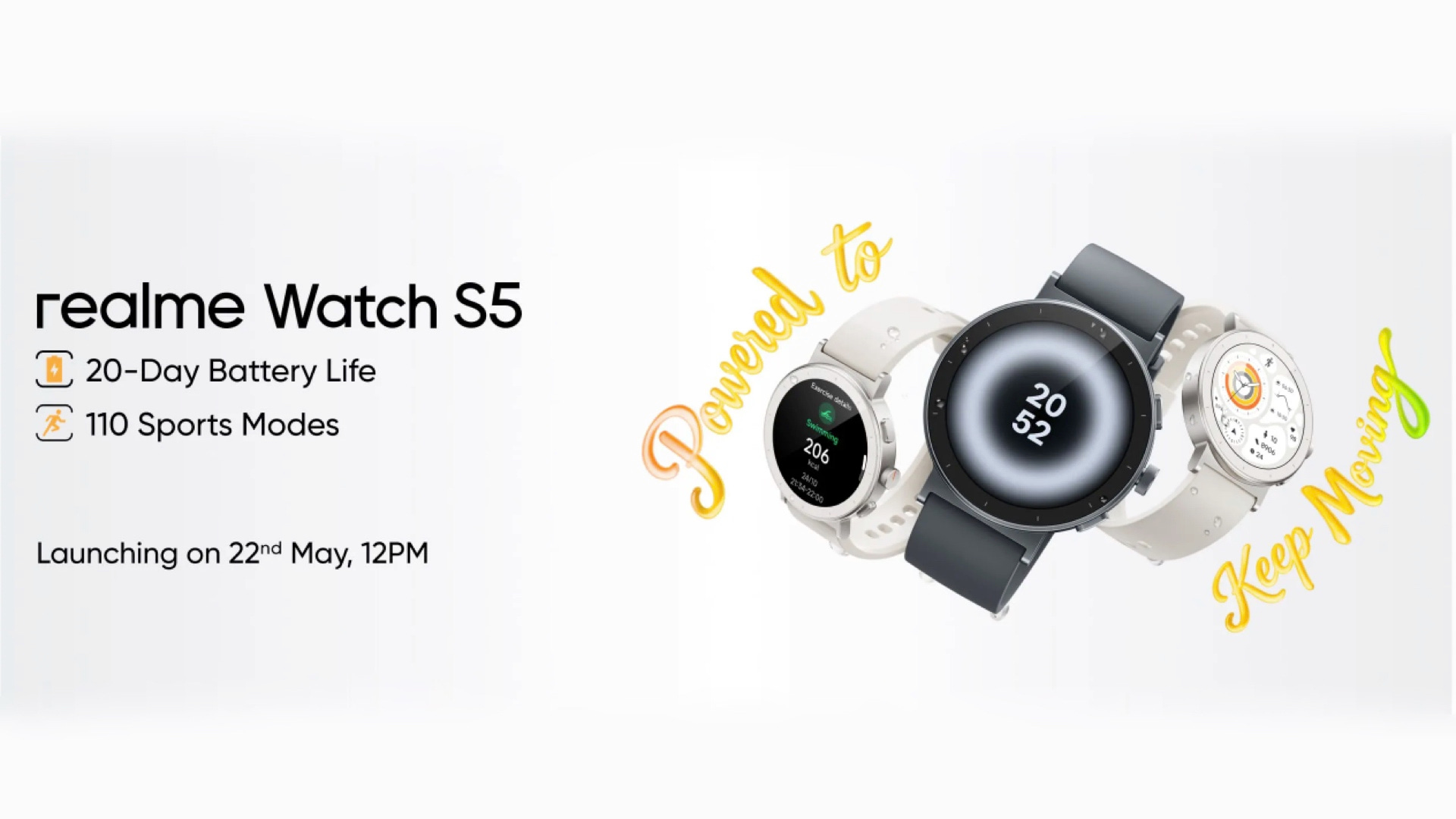
Realme Watch S5 set to arrive next week: Teasers confirm a May 22 announcement, with the smartwatch scheduled to feature a 1.43-inch AMOLED display, 1500-nit peak brightness, and a lightweight 32g case. Read more >
The Week’s Big Story 🗞️
Analysis: Meta moves to stay ahead of the pack
This week’s announcement from Meta is yet another reminder of the brand’s ever-increasing dominance in the AR and AI hardware space… well, at least from a momentum perspective.
While the rumors (and official teasers) have suggested for some time that we’ll see Samsung and Google's debut specs later this year, Meta and its eyewear partners are continuing to evolve the second generation of their wares.
It certainly makes sense for Samsung (and Google) to begin with voice-first glasses that can take on Meta’s equivalents. They are, after all, still the most accessible smart glasses for the person on the street. But the contrast is clear.
By opening the Ray-Ban Display glasses to third-party developers, Meta is building on previous success and aggressively moving its products into a whole new phase of the cycle: apps and overlays.
Zuckerberg’s company has posted frankly jaw-dropping operating losses on its Reality Labs project over the past half-decade. The CEO gambled incredibly hard and early on developing hardware for alternate realities, and, though the rewards still don’t necessarily show up in quarterly earnings reports, this week’s news is another example of it being comfortably the most mature ecosystem on the market.
Samsung and Google, I’m sure, will release great glasses later this year, but it could still be some time—18 months, maybe—before they reach the same milestone of rolling out developer kits for similar second-gen hardware. And, by then, Meta will have captured more early adopters and be moving on to the next major evolution.