

📩 Pulse Points #83: The FDA’s one-trial revolution, Apple's plans for AI wearables, and 12 more updates
Catch up on all the biggest headlines in digital health and wearables from the last week


Happy Friday, Pulse-takers—it’s time for your weekly download of digital health and wearable tech headlines.
As ever, plenty to cover this week: we’ve seen the FDA rewrite the rules of drug approvals, two major smart ring companies officially move homes, and Meta admit that the metaverse might just be a mobile app after all.
For the second time in as many months, a high-profile report also outlined Apple’s plans to stick a revamped Siri all over your body.
From what we know so far, it looks to be a serious double-down to try and ‘win’ the ambient hardware race… but not one I’m convinced by, as I analyzed in this week’s subscriber edition of PULSE, arguing why less is more.
Aside from all that jazz, I’ve included the usual array of industry updates, rumors, and consumer launches. Dive in, why don’t you.
Industry Updates 📊
The FDA pivots to one trial for drug approvals
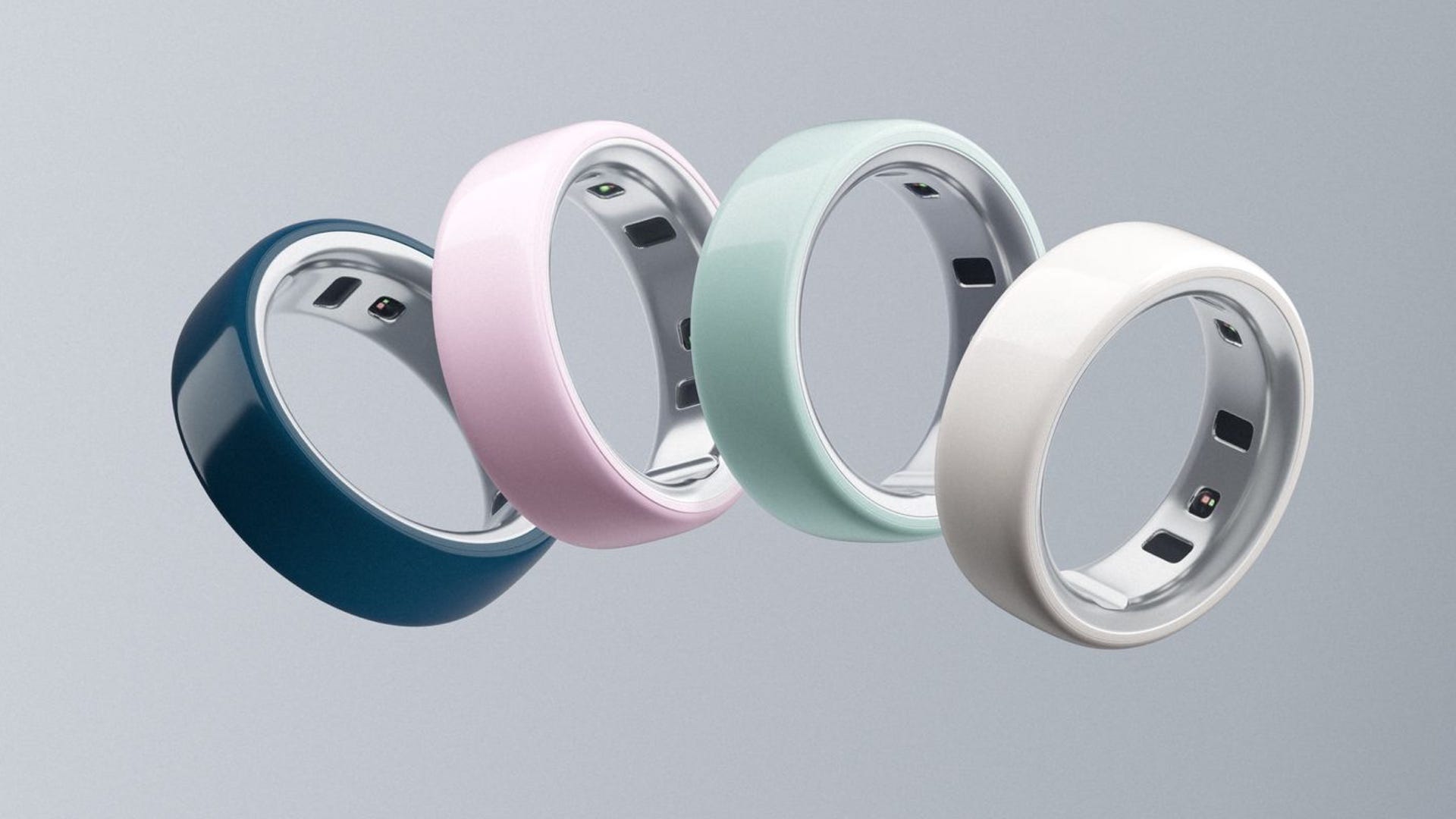
In a seismic shift for clinical research, the FDA has officially moved to make single pivotal trials the default for drug approvals, ending the decades-old two-trial rule. While seemingly aimed at cutting costs, the real story could end up being the knock-on effect this has on tech.
Without a second trial to verify results, the FDA is essentially making advanced technology the load-bearing pillar of safety. Expect a surge in demand for AI-driven data analytics to simulate outcomes, and a newfound reliance on wearables and remote sensors to provide the real-world data that a single study now requires to be considered robust. Read more >
Oura swaps Finland for Delaware, citing ‘long-term growth’
Oura is initiating an official change of address, moving its parent company from Finland to the US to better position itself for long-term growth and capital opportunities. CEO Tom Hale was quick to reassure the community that this is a legal restructuring, not a cultural one.
While the “legal home” moves to the US, a blog post outlined that Oulu remains the heart of the operation, keeping engineering, R&D, and product innovation firmly rooted in Finland. Crucially for users, the company also noted that it’s doubling down on its existing privacy stances, confirming that GDPR compliance and European data protection standards will still apply regardless of where the parent company is incorporated. Read more >
Garmin’s fitness revenue climbs 42% in Q4
Garmin has blown past Wall Street estimates, reporting a 17% rise in total Q4 2025 revenue to $2.12 billion. The star of the show? The fitness segment, which grew 42% ($765.8m) thanks to heavy demand for the Venu 4 and Bounce 2. Garmin is forecasting 2026 revenue at a bullish $7.9 billion. Read more >
Executive “blow-up” at Snap’s Specs division
Snap has lost Scott Myers, its SVP of Specs, following a reported strategy “blow-up” with CEO Evan Spiegel. The departure comes at a critical moment as Snap prepares to launch its next-gen consumer AR glasses later this year under the newly formed “Specs Inc.” subsidiary. Read more >
Meta separates Horizon Worlds from Quest VR
After plenty of shake-up and closure of its VR studios in January, Meta is now “explicitly separating” Horizon Worlds from the Quest VR platform. VP Samantha Ryan noted that the focus for Worlds will now be “almost exclusively mobile,” positioning it as a direct competitor to Roblox and Fortnite rather than a VR-exclusive destination. Read more >
Circular Ring lives on in Hong Kong
Oura isn’t the only smart ring company on the move this week. Following the judicial liquidation of its French shell company (Circular SAS), the founders have clarified that the business has reorganized as Circular Health Limited in Hong Kong. The move is designed to put leadership closer to manufacturing partners to solve the reliability issues that have dogged the ring’s first two generations. Read more >
Rumors & Whispers 🕵️♂️
Apple accelerates new AI trio: Pendant, glasses, and IR AirPods
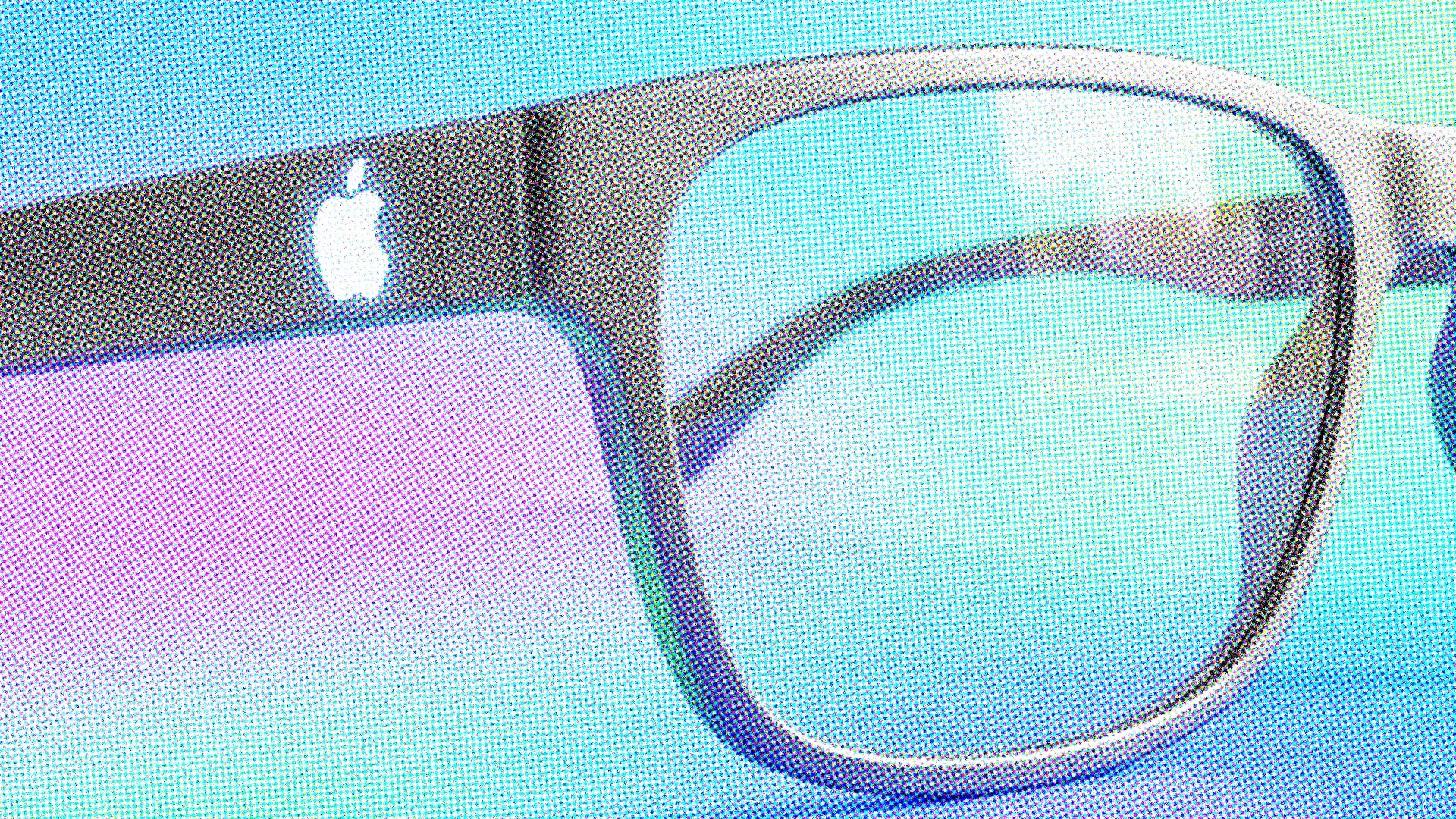
Apple is reportedly accelerating three camera-equipped wearables. The most radical is an AI pendant—a screenless, AirTag-sized “eye and ear” for the iPhone that pins to your shirt. Also in the works: “N50” smart glasses (no display, two cameras) and AirPods with low-res cameras designed to give Siri visual context of your surroundings. Read more >
Meta planning “Malibu 2” watch—but “Phoenix” faces delay
Meta is reportedly planning a 2026 attempt at a smartwatch (code-named Malibu 2) featuring Meta AI and health tracking. However, its high-end “Phoenix” mixed reality glasses are reportedly delayed until 2027 as the company focuses on its more successful Ray-Ban smart glasses line. Read more >
Ultrahuman ‘Pro Charger’ for upcoming smart ring leaked (by Wareable 👀)
An FCC filing has revealed a “multi-functional charging case” designed specifically for the upcoming Ultrahuman Ring Pro. The dedicated “Pro Charger” suggests a significant redesign that could help the brand re-enter the US market following its recent patent-related import ban. Read more >
Consumer Launches & Updates 🛍️
Amazfit unveils T-Rex Ultra 2 following heavy leaks
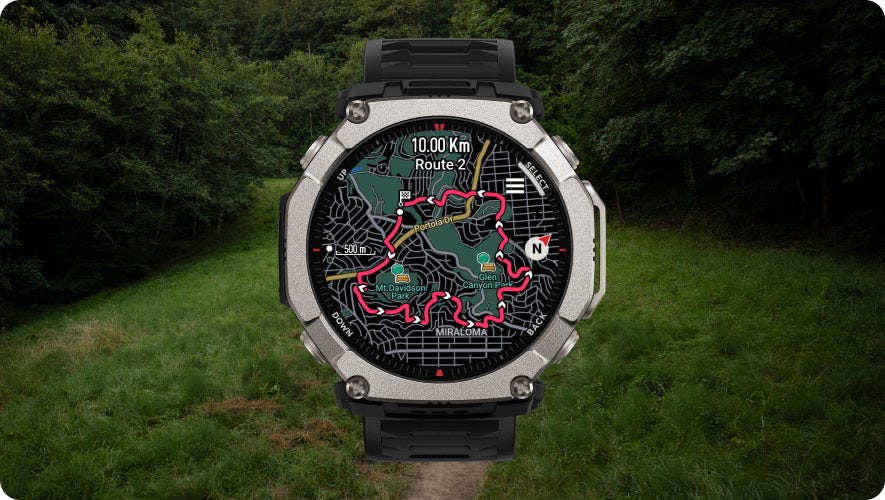
Amazfit has officially launched the T-Rex Ultra 2, a ruggedized monster targeting the Garmin Fenix crowd. Key specs: Grade 5 titanium build, 30 days of battery life, and a 3,000-nit AMOLED display. It features a unique “dual-mode flashlight” (white and green) for night-vision goggle compatibility. Read more >
Ultra-cheap Lenovo F101 debuts in China with AMOLED display
Lenovo is betting everything on screen quality with the F101. For roughly $30, you get a massive 1.96-inch AMOLED panel and a rotating crown. To hit that price, Lenovo omitted integrated GPS, but for those who prioritize visual clarity over elite tracking, it’s a fascinating value play. Read more >
Huawei Band 11 Pro fully revealed after initial leak
Following the early app leak I covered last week, the Band 11 Pro is semi-official, with a confirmation coming in the Philliphines ahead of the next week’s expected full reveal. It packs integrated GPS, a 1.62-inch AMOLED display with a blinding 2,000 nits peak brightness, and an aluminum alloy frame weighing just 14g. It’s a serious shot across the bow for the budget tracker market. Read more >
Reebok Stride and Rush hit the market
As spotted in an FCC deep dive last week, Reebok’s new smartwatch duo is now official. The Stride ($99.99) offers a 1.43-inch AMOLED and Bluetooth calling, while the Rush ($69.99) sticks to an LCD screen and basic fitness metrics. Both are available now on Reebok’s US site. Read more >
Oppo’s super-slim Watch S lands in Europe
Oppo’s slender Watch S has officially arrived in Europe (starting at €259), after initially being launched in the brand’s home of China late last year. At just 8.9mm thick, it’s roughly 25% thinner than its predecessor, yet it manages to pack a 1.46-inch AMOLED display that hits a searing 3,000 nits peak brightness. Beyond the 10-day battery and new skin temperature sensor, this launch could even be a preview of what to expect from a future OnePlus release. Read more >