

History Repeating: Wearable Tech Flops and Where They Went Wrong
Remembering that Under Armour spent $710m on three fitness apps

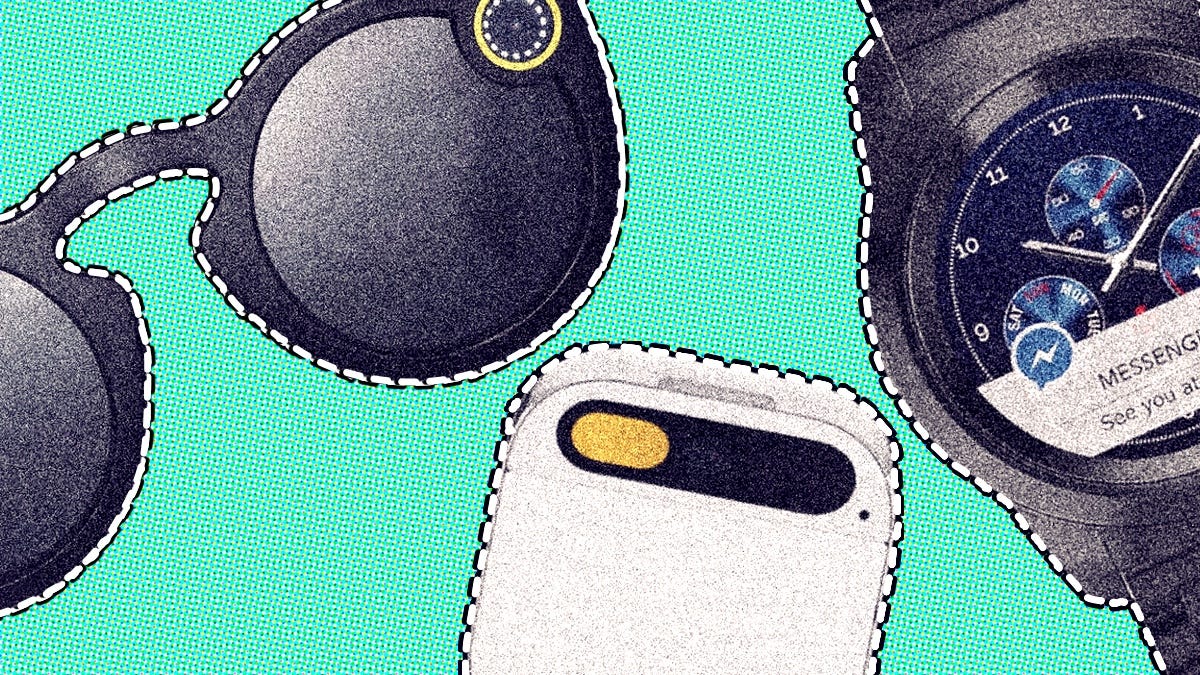
Welcome to another paid PULSE newsletter. This week, we’re looking back at some of the most memorable wearable tech fails.
We never got the chance to review the Humane AI Pin, thanks to our location here in London. However, I did get hands-on time at MWC 2024. The takeaway was that the AI Pin represented the seed of an interesting idea, but the poor performance and insane price tag meant that there was little future to be had.
“The Humane AI Pin’s mission is noble, and there’s some cool tech here. It’s a good showcase for how AI and wearables can bring game-changing insights and fulfill the potential of wearables. But would I advocate for the $699 for the Humane AI Pin with its chunky subscription? There’s a great product here, but, right now, this isn’t it.”
But could Humane have learned lessons from the past? Below, we outline a series of flops and misfires and suggest what went wrong.
Humane AI Pin
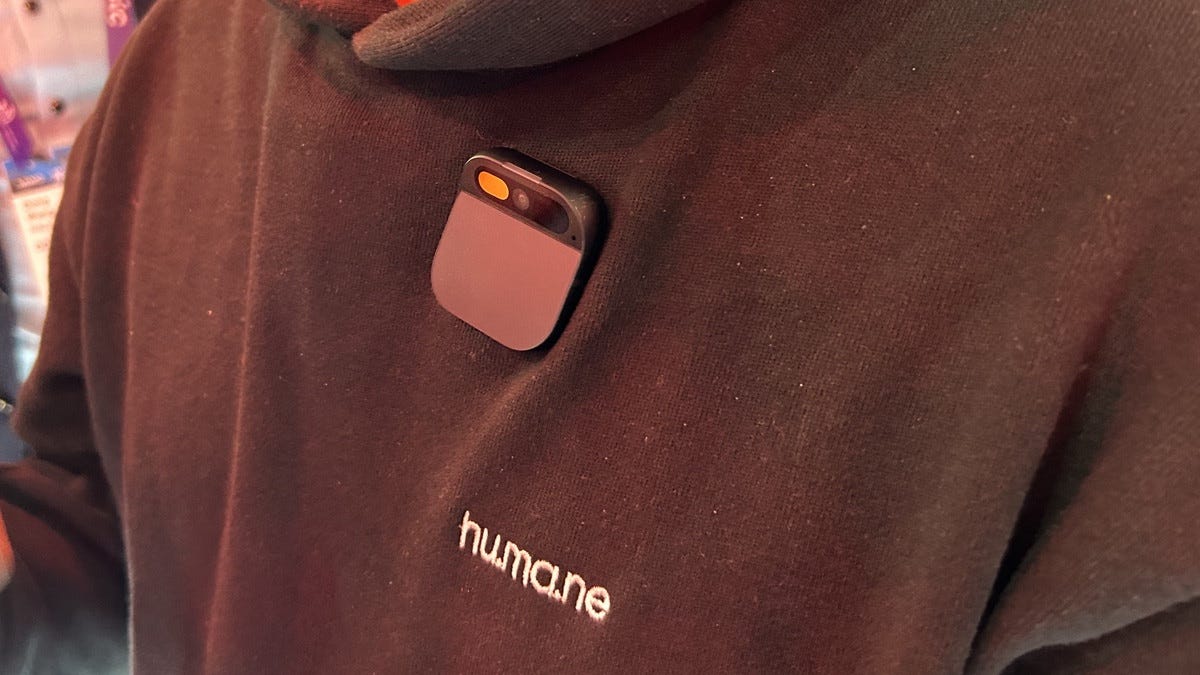
What it is: The Humane AI Pin is a wearable device developed by Humane Inc., a company founded by former Apple executives Imran Chaudhri and Bethany Bongiorno. The device is designed to be a screenless, AI-powered wearable that clips onto clothing and interacts with users through voice, gesture, and projection. However, after terrible reviews, recent reporting suggests Humane is already looking to sell - with a self-imposed price tag of around $750m-$1bn.
Why it failed: The clip-on wearable garnered huge attention earlier this year, thanks to its use of Generative AI. However, the experience using it was seriously lacking. It was hard to use and slow – infuriatingly so. It was also prone to overheating and had terrible battery life. The hand projection was cool technology, but also inferior to pulling out your smartphone. Humane AI Pin felt caught between two missions: the first was to bring the benefits of generative AI to users, and the second was to help people live without their smartphones. Both are noble ambitions, but the AI Pin achieved neither.
