

Does the way your wearable talks to you matter? We ask the experts
Delving into the surprising power of tone, language, and emotion in our tech

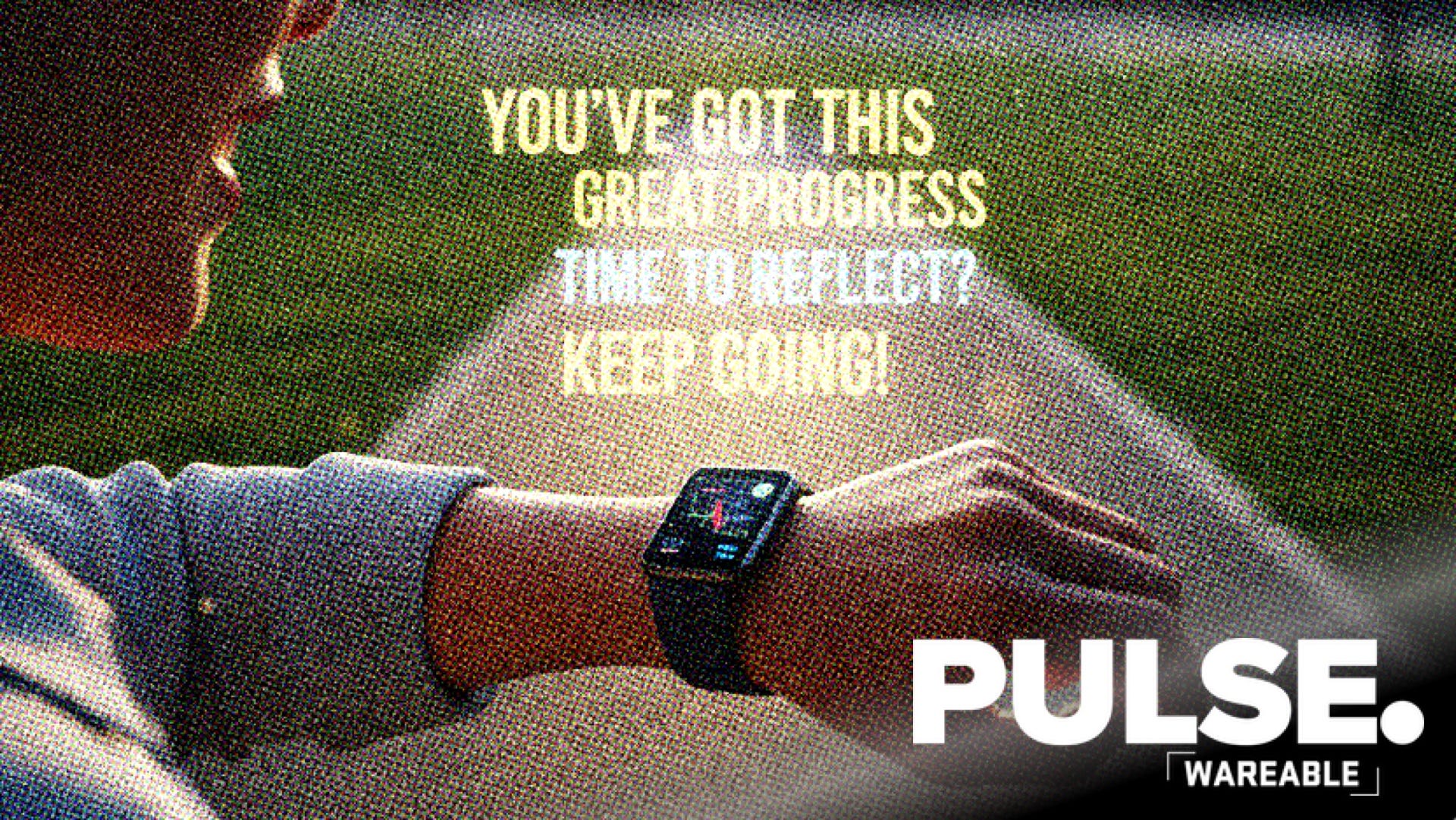
Wearables track your steps, sleep, stress, and heart rate. They often know your routines and rhythms better than you do. But their real power isn’t just in the data they collect; it’s in the words they use to keep you motivated.
We don’t all respond to technology in the same way—especially when it comes to the words it uses. Some people thrive on pushy notifications, challenges, and constant updates. Others need a softer tone, gentle encouragement, or only occasional feedback.
That creates a challenge for health apps and wearables: how do you keep people engaged, help them find value, and ultimately change their behavior when motivation styles differ so much?
For this week’s edition of PULSE, I spoke to the people who help design this language. What they told me is that behavior change isn’t just about data, goals, or streaks. In fact, a surprising amount of thought goes into every word your wearable uses when it talks to you.
Why words matter
Wearables need to get a lot right: solid tech, a comfortable fit, a smooth user experience. But the words they use shouldn’t be an afterthought.
“Language is such a powerful tool,” health behavior change specialist Dr. Heather McKee tells me. “But it’s too often an overlooked lever for behavior change.”
When used well, language can tap into the emotion that drives someone to use the device in the first place. That emotional connection becomes crucial once the novelty of a new wearable fades.
“One of the things that we’re trying to get at is how people feel about the change you’re trying to make,” McKee says. “So I always start by asking: ‘Does the language make the person feel empowered? Or does it make them feel judged?’”
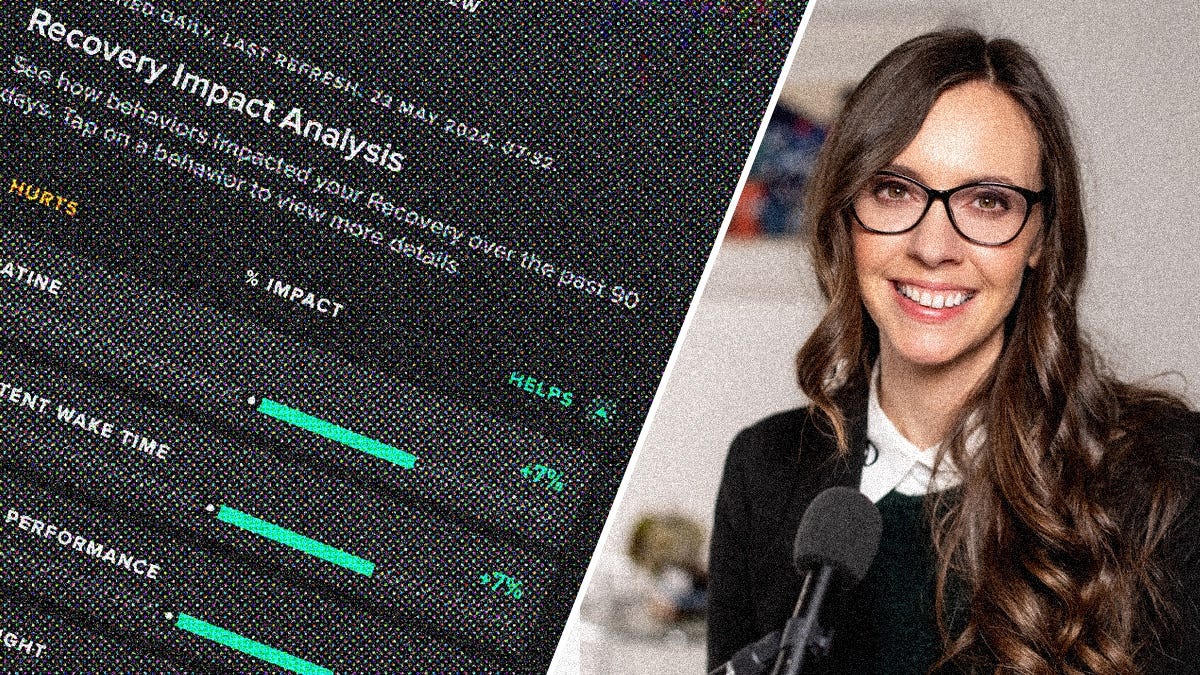
If a message makes someone feel seen, supported, or capable, they’re far more likely to engage—and keep engaging.
If it makes them feel lazy, behind, or inadequate, they’ll switch off fast.
Understanding the psychology of motivation
McKee uses self-determination theory—the idea that we stick with habits when three core psychological needs are met: autonomy, competence, and relatedness.
Autonomy is about choice. We’re more likely to maintain a habit when we feel we’ve chosen it ourselves rather than having it imposed on us.
“This might look like language that offers users options,” McKee says. “Would you like to try X or Y?”
Competence is about feeling capable.
“We all like to feel competent in our abilities,” she explains. Challenges can be motivating, but push people too hard and they’ll assume they’re not capable of continuing. This is why some users feel intimidated by complex wearables or lofty fitness goals – they immediately feel as though they’re behind.
Relatedness is a connection: feeling linked to a bigger purpose or to other people. Whether it’s community features, shared goals, or a sense of meaning, this emotional link keeps people invested.
If companies genuinely want to support lasting behavior change—rather than just sell a device and hope you stick with it—they need to design language and experiences that meet these three needs from the start.
Appeal to identity
Wearables often revolve around hitting goals. But there’s a delicate balance. Encourage progress, yes. But not at the expense of competence. If a goal feels out of reach, people disconnect.
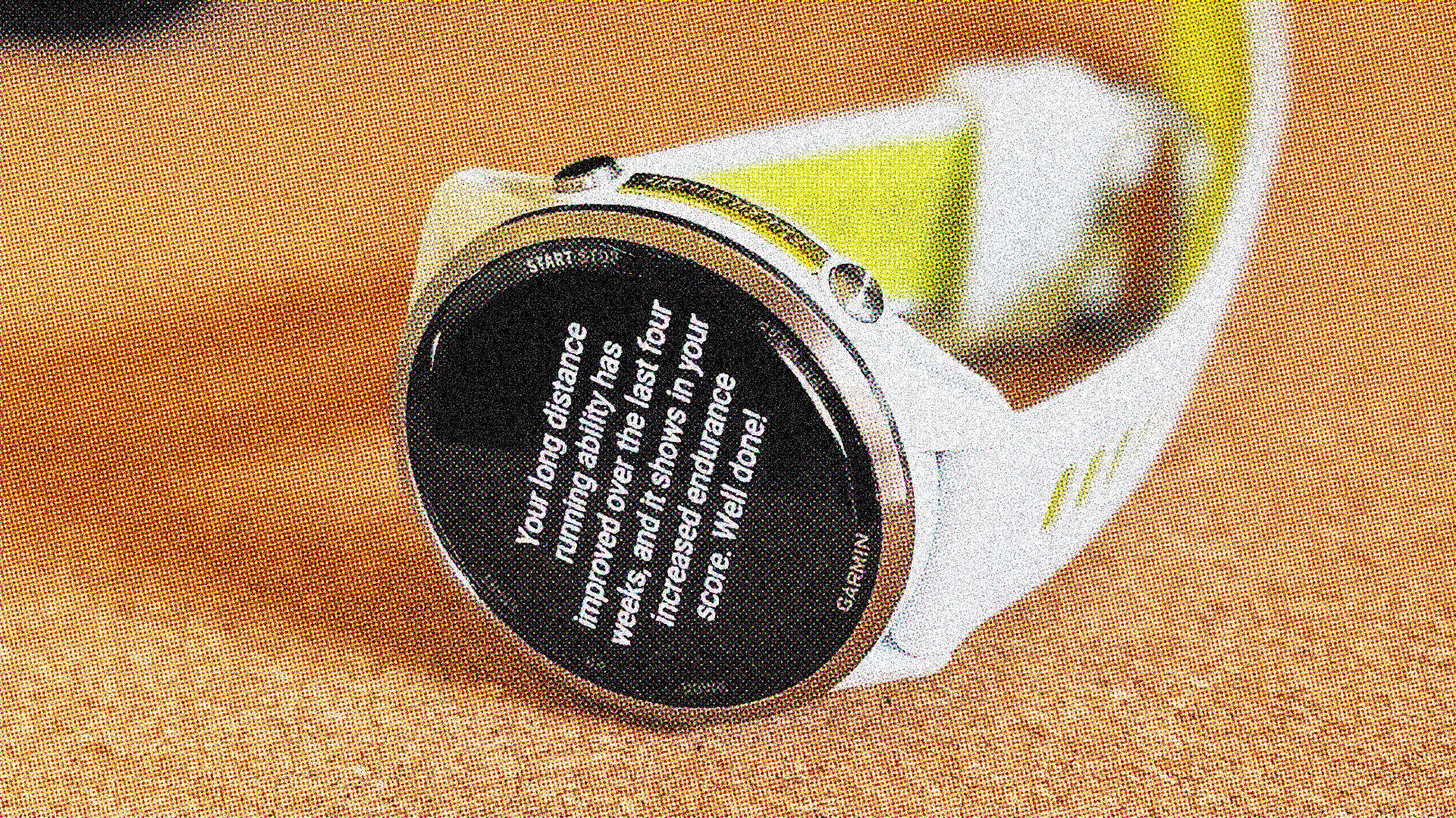
According to McKee, the solution is to focus less on outcomes and more on identity.
“It’s more powerful to say, 'I’m the kind of person who does X or Y’, rather than, 'I must hit 10,000 steps a day’,” McKee explains.
When behavior aligns with who we believe we are, motivation becomes intrinsic. It comes from within rather than being imposed. McKee calls this “sticky motivation”—the kind that actually lasts because it’s tied to our sense of self instead of external pressure or rewards.
In other words, goals get people started. But it’s a sense of identity that often keeps them going.
Make behavior feel easy
I also spoke to Tasha Richardson, Senior Behavioral Intervention Designer at Behaviour Change, a social enterprise creating social and environmental change grounded in behavioral science.
One of the biggest keys to lasting behavior change, she says, is surprisingly simple: make things easier.
“We start by thinking about whether we can make the desired behavior feel as easy as possible—and as easy, or even easier, than the alternative,” she tells me.
That means not overwhelming people, not setting huge goals from day one, and easing them in gradually.
“The couch to 5k is a great example of this,” she says, “providing a helping hand to get people started with running and building up their fitness and confidence to keep going.” It works because it increases challenge slowly, building belief along the way.
Richardson says language plays a significant role here by focusing on particular, bite-sized behavioral messages. “For example, in healthy eating, telling people to add one extra vegetable to a dish they already cook, rather than giving them a bunch of new recipes.”
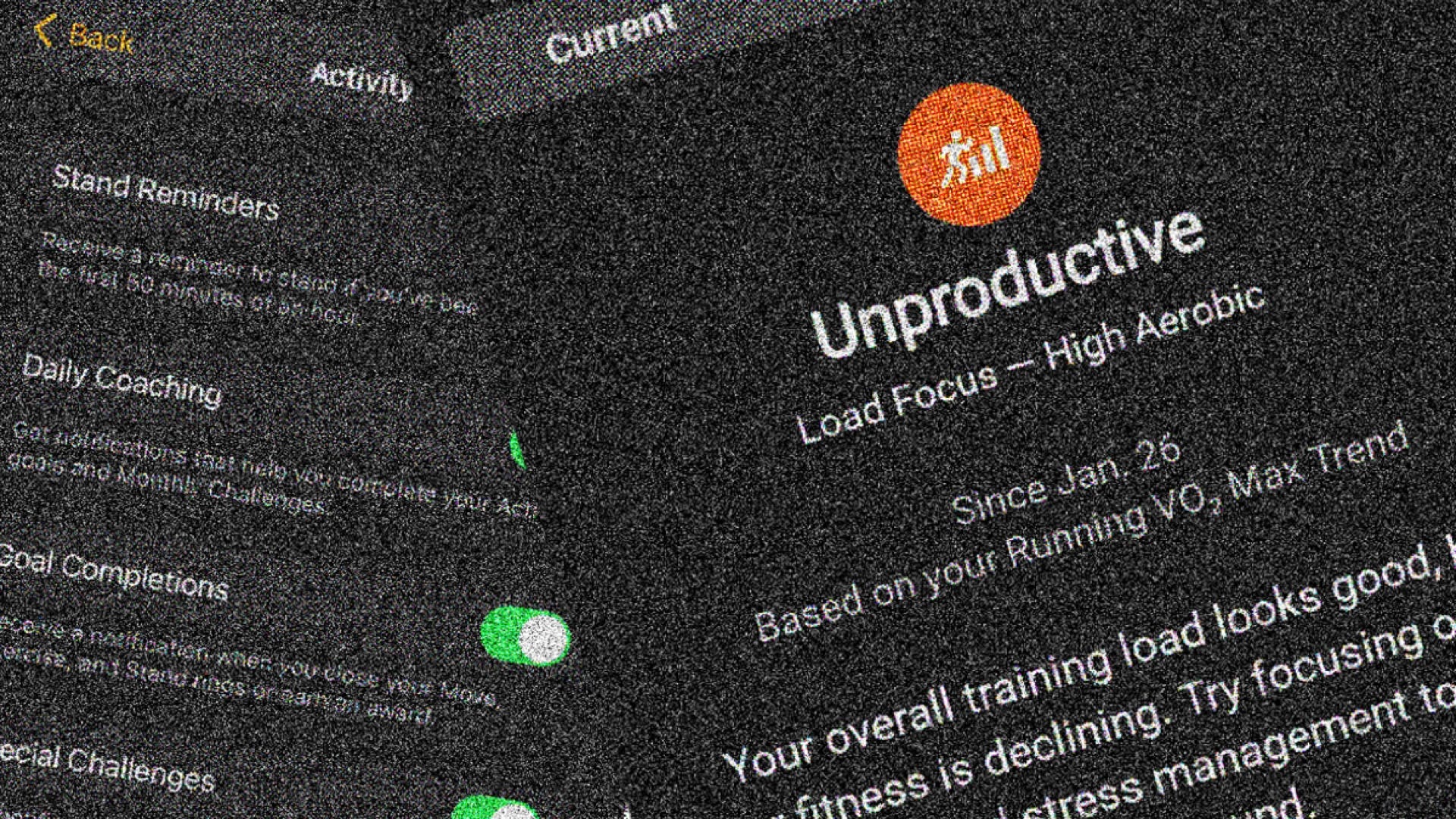
It’s all about stacking small changes with as little friction as possible.
McKee agrees. She calls this idea minimum viable habits.
“This is the smallest amount of change that will still help you engage with the behavior,” she says. “So it might be one push-up, or one minute of meditation. Something people can succeed at even on the toughest days. They can always do more, but you make the barrier to entry so low that starting feels effortless.”
No room for guilt trips
I’ve always been fascinated by pushy or shame-based language in apps. Does it ever actually work?

 | A guest post by
|